
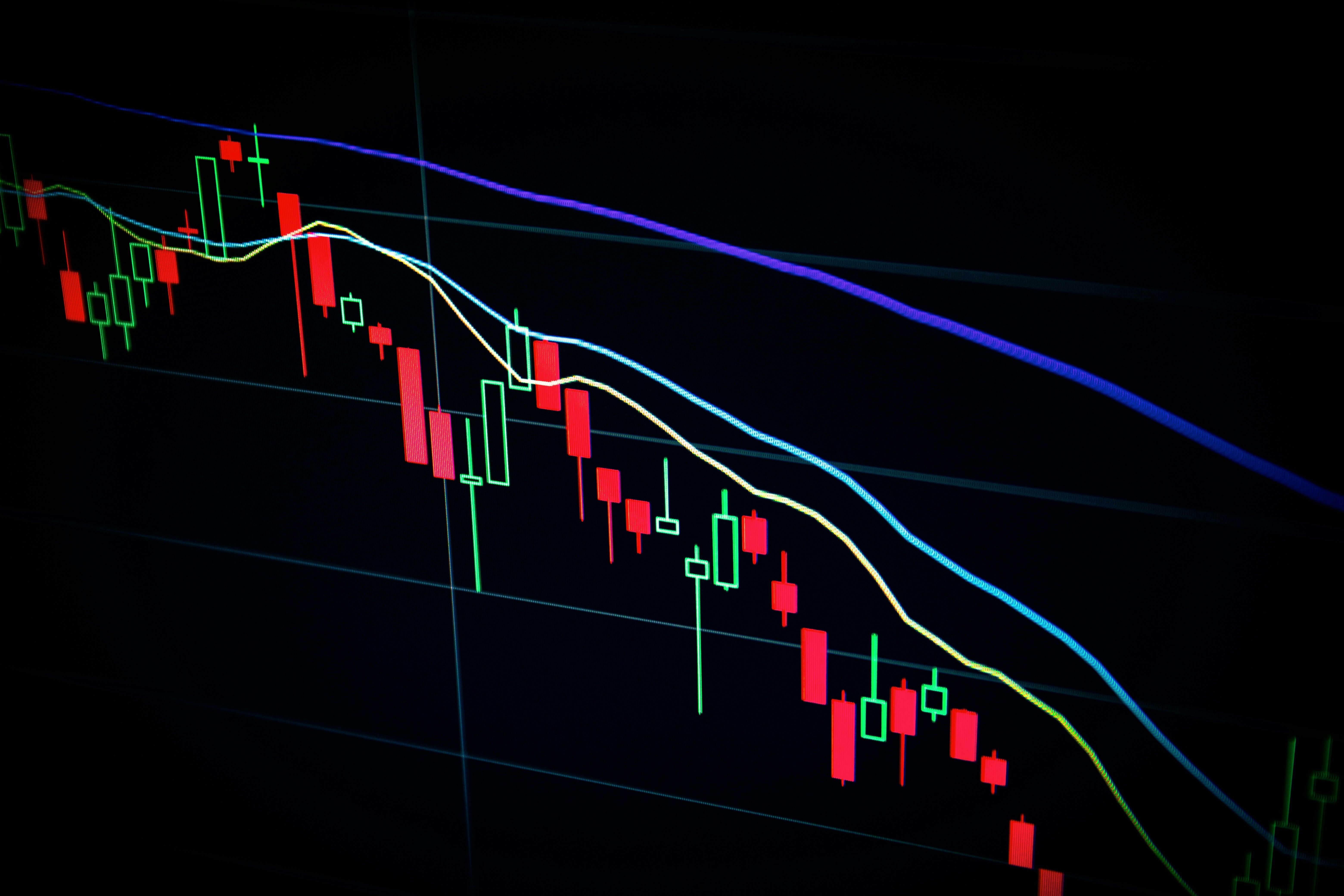
Global oil prices have tumbled roughly 20% from their 2026 highs as markets grow more optimistic about a durable US-Iran ceasefire that would unlock shipping through the Strait of Hormuz. The de-escalation has eased the energy-driven inflation pressures that pushed central banks worldwide toward a more hawkish stance, though analysts caution that security concerns and crude loadings inside the Gulf remain fragile.
Global crude oil prices have fallen by approximately 20% from their 2026 peaks as investors increasingly price in optimism over a lasting ceasefire between the United States and Iran — a deal that would reopen shipping through the Strait of Hormuz, the strategic chokepoint through which roughly 20% of the world's oil flows. The two sides are understood to have 'mostly agreed' on the terms of a 60-day memorandum of understanding to extend the ceasefire, although final sign-off and full implementation have remained uncertain amid intermittent flare-ups in the Gulf region.
The price decline marks a significant reversal from the energy crisis that gripped global markets earlier in 2026, when the conflict virtually shut down the Strait of Hormuz and sent crude prices soaring. At earlier stages, Brent crude had traded above $90–$95 per barrel, well above the pre-conflict level of around $70, while US gasoline prices climbed above $4 per gallon. The easing of prices reflects investors pricing out the worst-case supply-disruption scenarios.
However, the recovery remains precarious. Analysts at UBS noted there was 'little evidence' of short-term improvement in vessel traffic or energy flows through the region, with crude loadings inside the Gulf remaining extremely low — Iranian crude loadings for May fell below 0.3 million barrels per day, down sharply from 1.5 million in April and 1.7 million in March. Strikes and missile exchanges have continued intermittently even amid ceasefire talks, keeping a geopolitical risk premium embedded in prices.
The oil price trajectory has profound implications for monetary policy worldwide. The energy-driven inflation surge was the primary force behind the hawkish stances adopted by the US Federal Reserve, Bank of Japan, and Bank of England in their June meetings. Citigroup analysts warned that the prolonged run-up in crude prices had begun spilling into broader inflation through 'second-round effects,' prompting central banks to grow more hawkish. A sustained de-escalation and lower energy prices could, over time, relieve some of that inflationary pressure — but central bankers have signaled they will wait for durable evidence before easing policy.
Key Points
- 1Global oil prices have fallen roughly 20% from 2026 highs on US-Iran ceasefire optimism
- 2The Strait of Hormuz handles approximately 20% of the world's oil flows
- 3The US and Iran are reported to have 'mostly agreed' on a 60-day ceasefire extension framework
- 4UBS noted crude loadings inside the Gulf remain extremely low despite the optimism
- 5Energy-driven inflation was the primary force behind hawkish June central bank decisions globally
Why This Matters
Oil prices sit at the heart of the global inflation story and, by extension, the path of interest rates that affect every borrower, saver, and investor. Lower energy costs could eventually ease the inflationary pressures that have kept the Fed, BOJ, and BoE hawkish. For insurers, lower oil prices reduce repair and reconstruction cost inflation that has driven up auto and property premiums. For consumers, falling crude could mean relief at the gas pump and lower utility bills, though the fragile security situation means the relief is not yet guaranteed.
Related Stories
Wall Street Hits Record High as Soft US Data Keeps Rate Path Uncertain
August 6, 2026

Fed Holds Rates Steady Amid Three Dissents, Signals a Hike May Be Coming
August 6, 2026

Warsh Reshapes Fed Communication and Weighs Fewer Policy Meetings
August 6, 2026

US Mortgage Rates Stay Stuck in the High-6% Range
August 6, 2026
Daily Intelligence
The PolicyRix Daily Brief
Get the top 5 insurance and finance stories every morning, curated and verified by our editorial desk. No spam. Unsubscribe anytime.
Informational newsletter only. Not financial advice. Disclaimer