🇺🇸 US 30-yr mortgage rate: 6.55% — Bankrate, June 10🇯🇵 BOJ June rate hike: 80% market probability — CNBC🇮🇳 India opens insurance to 100% FDI under automatic route🇺🇸 Fed holds rates at 3.50–3.75% — third consecutive hold🌍 Global cyber insurance market: $33.4B projected for 2026🇬🇧 FCA: Insurance premium finance APRs down 4.1% since 2022🇰🇷 DB Insurance completes $1.65B Fortegra acquisition🇺🇸 Medicaid cuts: CBO estimates 11.8M to lose coverage🇦🇺 APRA CPS 230 amendments effective July 1, 2026🇩🇪 BaFin launches dedicated cyber insurance reporting class🇺🇸 US 30-yr mortgage rate: 6.55% — Bankrate, June 10🇯🇵 BOJ June rate hike: 80% market probability — CNBC🇮🇳 India opens insurance to 100% FDI under automatic route🇺🇸 Fed holds rates at 3.50–3.75% — third consecutive hold🌍 Global cyber insurance market: $33.4B projected for 2026🇬🇧 FCA: Insurance premium finance APRs down 4.1% since 2022🇰🇷 DB Insurance completes $1.65B Fortegra acquisition🇺🇸 Medicaid cuts: CBO estimates 11.8M to lose coverage🇦🇺 APRA CPS 230 amendments effective July 1, 2026🇩🇪 BaFin launches dedicated cyber insurance reporting class

Country Coverage

Canada

4 verified stories from Canada

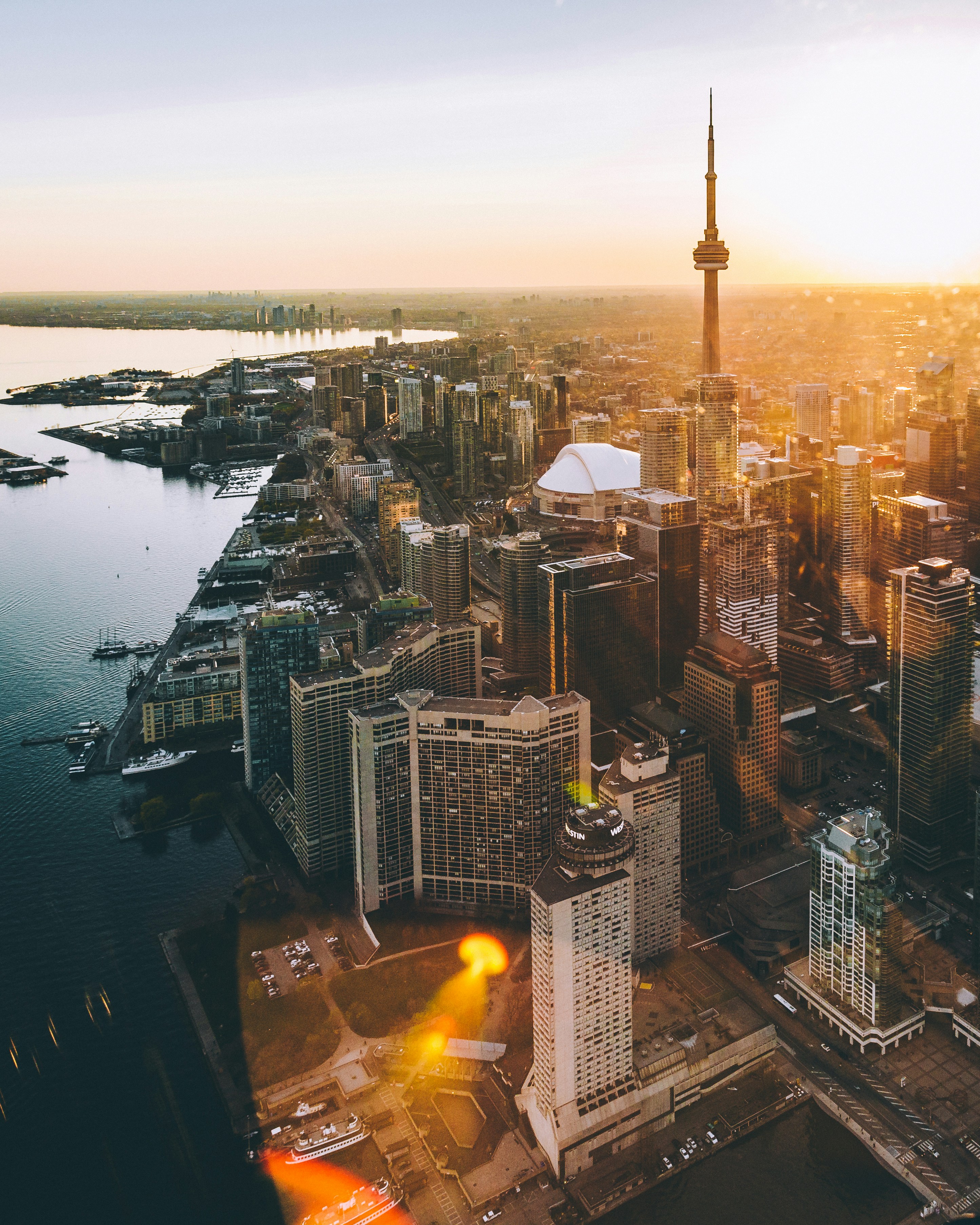
Canada wildfire risk satellite laser scanning home insurance premiums 2026 - illustrative image
Insurance
🇨🇦Canada Verified

Canadian Insurers Turn to Satellites and Laser Scans to Price Wildfire Risk as Premiums Climb

Canadian insurers are increasingly using satellite imagery and laser scanning (LiDAR) to assess individual properties' wildfire risk, as actuaries warn that wildfires are no longer following historical patterns. The shift toward predictive, property-level modelling comes as national home insurance inflation hit 4.01% year-on-year in 2026 — well above the 2.3% general inflation rate — with Alberta premiums rising 9.29%. Industry leaders warn that affordability, not capacity, may become Canada's defining insurance crisis.


CBC News / Insurance Bureau of CanadaJune 8, 2026
Read →
Ontario Canada auto insurance reform accident benefits optional 2026 - illustrative image
Auto Insurance
🇨🇦Canada Verified

Ontario's Auto Insurance Overhaul Takes Effect July 1, Making Most Accident Benefits Optional

Ontario is implementing significant auto insurance reforms effective July 1, 2026, making most accident benefits optional in an effort to create more personalized and competitive coverage and lower premiums for drivers who opt out of certain protections. Supporters argue the changes give consumers choice and could reduce costs, while critics warn the reforms risk leaving drivers dangerously underinsured. The overhaul is among the most consequential changes to Canada's largest auto insurance market in years.


Insurance Business CanadaJune 5, 2026
Read →
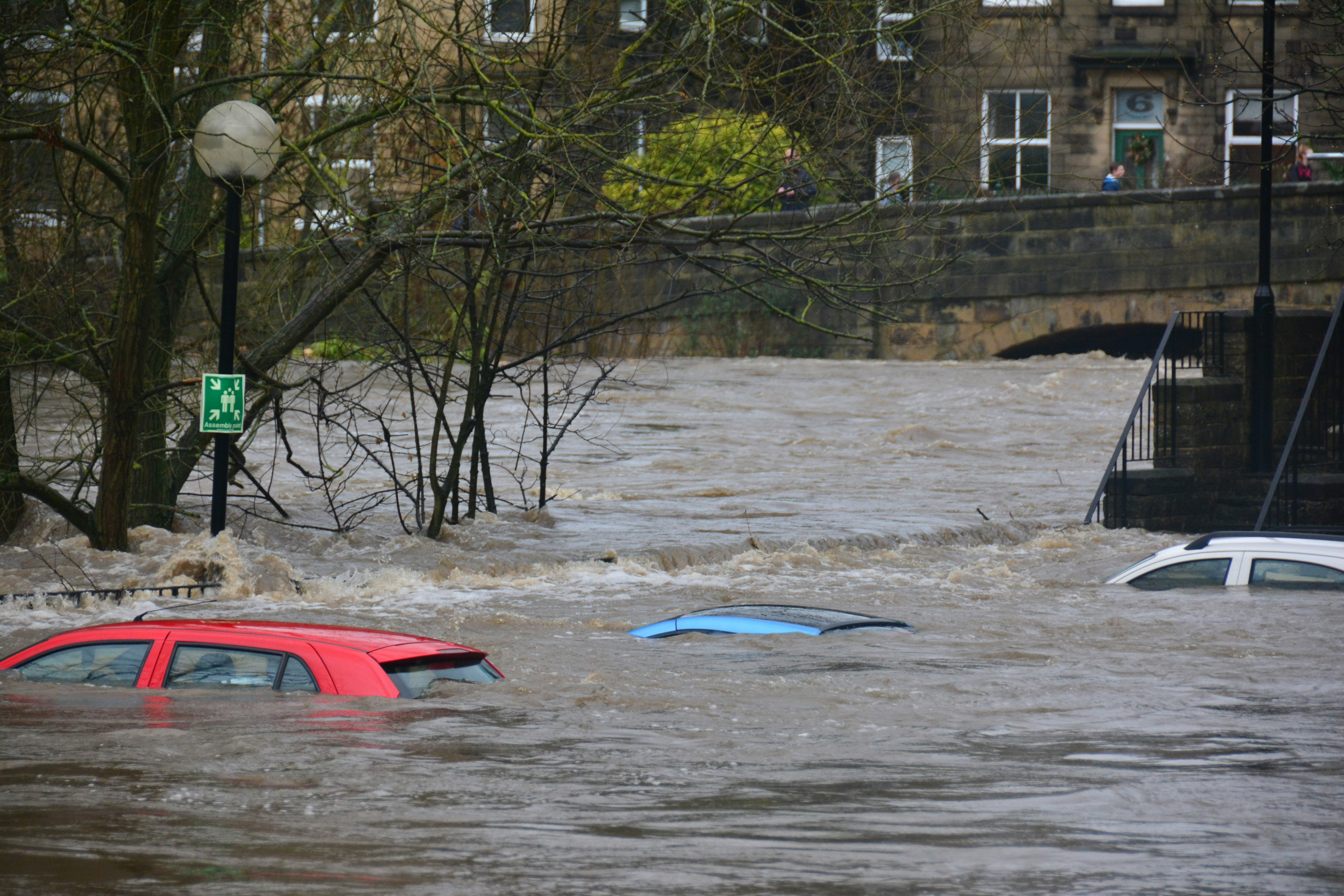
Canada wildfire flood climate risk home insurance property resilience - illustrative image
Insurance
🇨🇦Canada Verified

Canadian Insurers Urge Homeowners to Fortify Properties and Press Ottawa to Prioritize Climate Risk

Major Canadian insurers including Intact Financial, TD Insurance, Wawanesa, and Definity Financial are pushing homeowners to fortify their properties against wildfires and floods and urging Prime Minister Mark Carney to prioritize climate risk, amid concern that an emphasis on energy and the economy could worsen future catastrophe damage. Canadian home-insurance premiums rose about 6% last year as claims surged, even as the industry's net income climbed 56.7% in 2025. Unlike some countries, Canada's calamity-prone regions remain insurable.


Insurance Journal / Insurance Bureau of CanadaJune 12, 2026
Read →
Bank of Canada building in Ottawa representing Canadian monetary policy - illustrative image
Banking
🇨🇦Canada Verified

Bank of Canada Holds Overnight Rate at 2.25% for Fifth Consecutive Meeting, Cites Inflation-Growth Trade-Off

The Bank of Canada held its target overnight rate steady at 2.25% on June 10, 2026, marking its fifth consecutive meeting without a change, as Governor Tiff Macklem cited the need to balance energy-driven inflation — pushed higher by the ongoing Middle East conflict — against economic weakness stemming from US trade policy uncertainty. Canadian inflation rose to 2.8% in April 2026, with the central bank projecting it will peak near 3% before gradually declining to its 2% target by early 2027.


Bank of Canada / CBC NewsJune 10, 2026
Read →