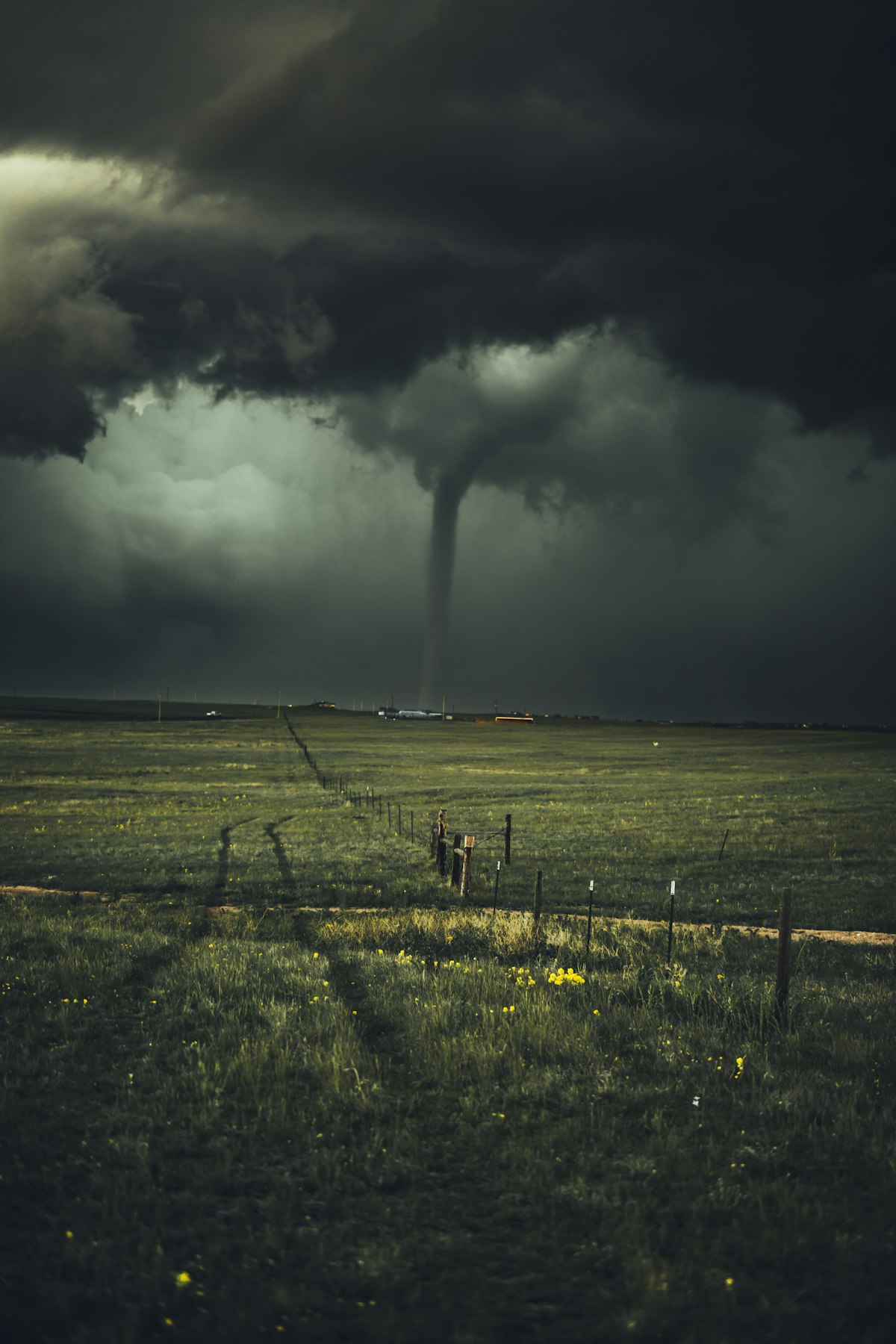
The National Insurance Crime Bureau (NICB) has issued a warning to Illinois residents and businesses to beware of fraudulent contractors following a series of severe storms, tornadoes, and a derecho across the state. Illinois has recorded 140 tornadoes so far in 2026 — more than two and a half times its annual average of 54 — at a time when US severe convective storm losses are running structurally elevated at over $50 billion annually.
The National Insurance Crime Bureau (NICB), the leading US non-profit dedicated to combatting insurance fraud, issued a warning on June 18, 2026 urging Illinois residents and business owners to be alert for fraudulent contractors seeking to exploit communities hit by recent severe weather. The alert follows two weeks of intense storm activity across the state, including a derecho that produced widespread wind damage across northern Illinois, a tornado outbreak that damaged homes and businesses, and heavy rainfall that triggered flooding concerns across parts of the Chicago metropolitan area.
The scale of the weather activity is striking. Illinois has recorded 140 tornadoes so far in 2026, far surpassing the state's annual average of 54 — making it the most tornado-affected state in the nation this year. The NICB warns that the conditions for post-disaster fraud are now present across the state, with unscrupulous contractors typically targeting storm-affected communities during the vulnerable recovery period.
Post-disaster contractor fraud is a significant and growing mechanism through which already-elevated storm losses are further inflated. Fraudulent or inflated repair claims add directly to insurers' claims costs, while Assignment of Benefits (AOB) arrangements — under which a policyholder signs over their insurance rights to a contractor who then deals directly with the insurer — have been a documented driver of claims abuse. The NICB advises homeowners to contact their insurance company first if they suspect storm damage, before engaging any contractor.
The warning lands amid a structurally elevated loss environment. Severe convective storms — tornadoes, hail, straight-line winds, and severe thunderstorms — generated $51 billion in US insured losses in 2025, the third consecutive year the peril exceeded $50 billion, according to the Insurance Information Institute. Aon estimated worldwide severe convective storm losses at approximately $61 billion in 2025, and Moody's data showed average severe storm event costs through September 2025 running 31% higher than the prior decade's average. The Chicago metropolitan area carries the highest urban hail exposure in the US at roughly $1 trillion in reconstruction cost value. US home insurance premiums are projected to rise a further 4% in 2026, a fifth straight year of increases, with premiums up 46% since 2021 — roughly three times the rate of inflation.
Key Points
- 1The NICB warned of fraudulent contractor activity after severe storms, tornadoes, and a derecho in Illinois
- 2Illinois has recorded 140 tornadoes in 2026 — more than 2.5x its annual average of 54
- 3Assignment of Benefits (AOB) arrangements are a documented driver of post-disaster claims abuse
- 4US severe convective storms caused $51 billion in insured losses in 2025 — a third straight year above $50 billion
- 5US home insurance premiums are projected to rise a further 4% in 2026, up 46% since 2021
Why This Matters
Post-disaster fraud directly inflates insurance costs that are ultimately passed on to all policyholders through higher premiums. For homeowners in storm-affected areas, recognizing and avoiding fraudulent contractors protects both their finances and their insurance claims. For insurers, severe convective storms have become the costliest US natural peril, and fraud mitigation is now a core part of managing structurally elevated losses. The trend underscores why home insurance premiums continue to climb well above inflation.
Original Source
National Insurance Crime Bureau (NICB) / PR Newswire ↗Related Stories
Wall Street Hits Record High as Soft US Data Keeps Rate Path Uncertain
August 6, 2026

Fed Holds Rates Steady Amid Three Dissents, Signals a Hike May Be Coming
August 6, 2026

Warsh Reshapes Fed Communication and Weighs Fewer Policy Meetings
August 6, 2026

US Mortgage Rates Stay Stuck in the High-6% Range
August 6, 2026
Daily Intelligence
The PolicyRix Daily Brief
Get the top 5 insurance and finance stories every morning, curated and verified by our editorial desk. No spam. Unsubscribe anytime.
Informational newsletter only. Not financial advice. Disclaimer