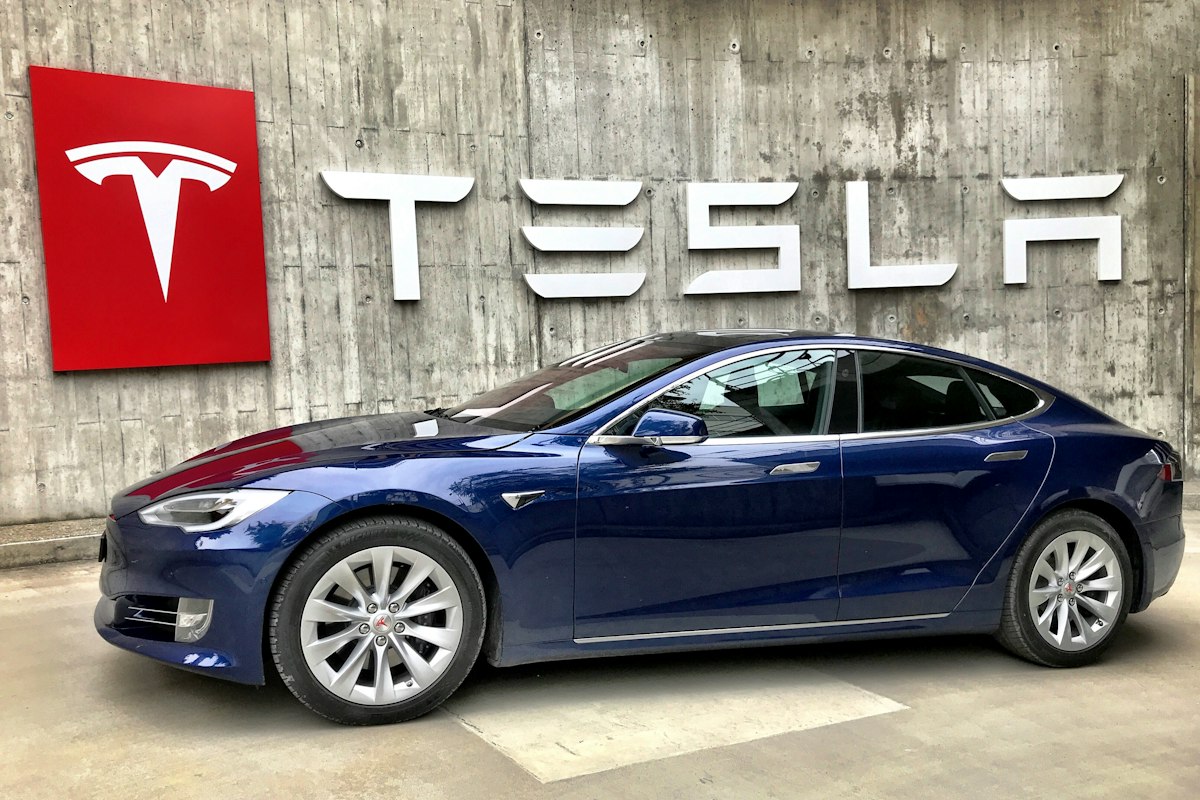
Insurtech Lemonade has launched insurance for Tesla Full Self-Driving (FSD) in Colorado, leveraging direct access to vehicle and driving data to price autonomous-vehicle coverage — a development that signals how original equipment manufacturer (OEM) data access is reshaping auto insurance. The move comes as surveys show 73% of American drivers remain too afraid to ride in a driverless car, highlighting the gap between technology adoption and consumer trust.
The intersection of autonomous vehicle technology and auto insurance reached a new milestone as insurtech Lemonade brought insurance for Tesla Full Self-Driving (FSD) to Colorado. The launch represents a significant step in how the auto insurance industry is adapting to advanced driver-assistance and autonomous technologies, and illustrates the growing importance of original equipment manufacturer (OEM) data access in reshaping how autonomous vehicle risk is priced.
The core innovation is data-driven. By gaining direct access to vehicle telematics and driving data — including how and when FSD features are engaged — insurers like Lemonade can move beyond traditional demographic and historical-claims-based pricing toward usage-based models that reflect actual driving behavior and the real-world performance of autonomous systems. This OEM data access is becoming a critical competitive factor, as the insurer with the best data can most accurately price the risk, particularly for novel exposures like semi-autonomous driving where actuarial history is limited.
The development arrives against a backdrop of significant consumer hesitancy about autonomous vehicles. According to data cited by Insurance Journal (sourced from S&P Global Market Intelligence as of June 23, 2026), 73% of American drivers remain too afraid to ride in a driverless car. This gap between the pace of technological advancement and consumer trust represents both a challenge and an opportunity for insurers — coverage products and pricing that build confidence in the technology could help bridge the trust deficit, while mispricing the genuinely novel risks of autonomous systems could expose carriers to unexpected losses.
The FSD insurance launch is part of a broader transformation in auto insurance driven by technology and data. The industry has been shifting away from broad rate hikes toward granular, risk-based pricing, with telematics and usage-based insurance becoming increasingly central. As vehicles become more software-defined and data-rich, the relationship between automakers, insurers, and policyholders is being redrawn — raising important questions about who controls vehicle data, how it is used in pricing, and how liability is allocated between human drivers and autonomous systems when accidents occur. For consumers, these developments could eventually mean more personalized pricing, but also raise privacy considerations about the extent of driving data being collected and shared.
Key Points
- 1Lemonade launched insurance for Tesla Full Self-Driving (FSD) in Colorado
- 2The product leverages direct OEM vehicle and driving data to price autonomous-vehicle coverage
- 373% of American drivers remain too afraid to ride in a driverless car (S&P Global, June 23, 2026)
- 4OEM data access is becoming a key competitive factor in pricing autonomous and semi-autonomous risk
- 5The launch reflects the broader shift toward telematics and usage-based auto insurance pricing
Why This Matters
As autonomous and semi-autonomous driving technology spreads, the auto insurance industry faces fundamental questions about how to price novel risks and how liability shifts between human drivers and software. Lemonade's FSD insurance launch shows how access to vehicle data is becoming a decisive competitive advantage. For consumers, these data-driven products could mean more personalized pricing but raise privacy questions; for the industry, accurately underwriting autonomous-vehicle risk — and building consumer trust in a technology most drivers still fear — will shape the future of the auto insurance market.
Related Stories
Wall Street Hits Record High as Soft US Data Keeps Rate Path Uncertain
August 6, 2026

Fed Holds Rates Steady Amid Three Dissents, Signals a Hike May Be Coming
August 6, 2026

Warsh Reshapes Fed Communication and Weighs Fewer Policy Meetings
August 6, 2026

US Mortgage Rates Stay Stuck in the High-6% Range
August 6, 2026
Daily Intelligence
The PolicyRix Daily Brief
Get the top 5 insurance and finance stories every morning, curated and verified by our editorial desk. No spam. Unsubscribe anytime.
Informational newsletter only. Not financial advice. Disclaimer