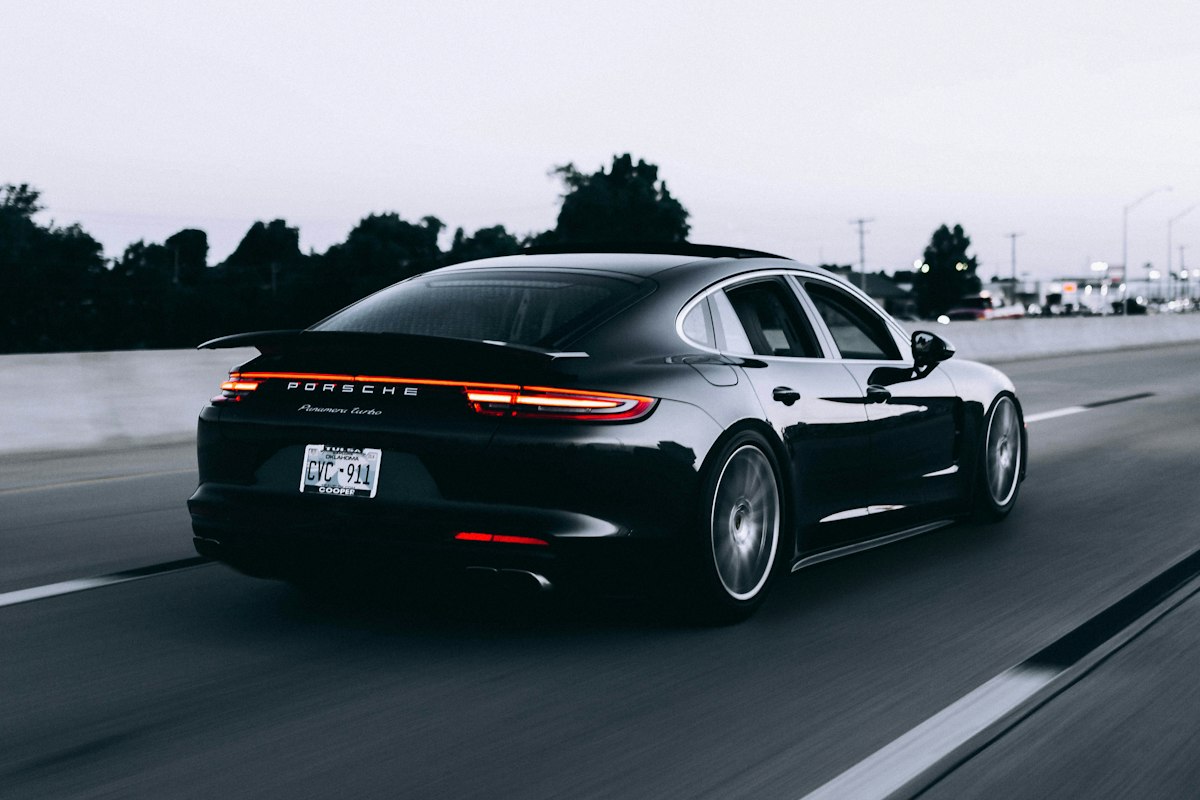
AI-powered insurer Lemonade has expanded its Autonomous Car insurance product to Colorado, becoming the fourth state to offer a 50% per-mile discount for Tesla owners on every mile driven using Full Self-Driving (Supervised) technology. Launched via a technical collaboration with Tesla that gives Lemonade access to vehicle telemetry data, the product represents an early test of pricing insurance based on how autonomous software — rather than human drivers — handles the road.
Lemonade (NYSE: LMND), the technology-driven insurance company, has expanded its pioneering Autonomous Car insurance product to Colorado as of June 22, 2026, making it the fourth state — following Arizona, Oregon, and Indiana — where the offering is available. The product gives Tesla owners a 50% discount on every mile driven using Tesla's Full Self-Driving (Supervised) technology, representing one of the first serious attempts to price auto insurance based on autonomous software performance rather than traditional human-driver risk factors.
The product was made possible through a technical collaboration with Tesla that gives Lemonade access to vehicle telemetry data via Tesla's Fleet API — data that was previously unavailable to third-party insurers and only accessible with the customer's permission. This data feeds into Lemonade's usage-based risk prediction models, which can distinguish between miles driven autonomously and miles driven manually, and can even price risk based on the specific FSD software version installed, the precision of the vehicle's sensors, and other factors. Manual miles are priced normally, while FSD miles receive the full 50% reduction on a pay-per-mile basis.
Lemonade's premise is that FSD-engaged miles carry lower crash risk than human-driven miles — a bet the company is pricing into premiums now, ahead of full actuarial data. Co-founder and president Shai Wininger framed the rationale by noting that traditional insurers treat a Tesla like any other car and AI like any other driver, whereas Lemonade's data-driven approach treats them differently. Importantly, the company is careful to note that it is betting FSD makes a driver safer, not that the technology can drive safely on its own — FSD remains a supervised system requiring driver readiness to take over.
Lemonade's 50% per-mile discount substantially undercuts Tesla's own insurance offering, which provides a maximum 10% FSD-related discount applied only to certain coverages. The product also supports households with a mix of Teslas and non-FSD vehicles under one policy, and customers can stack additional savings for safe driving behavior and bundling with Lemonade's home, renters, and pet insurance. The expansion is being watched closely by collision repairers, claims professionals, and the broader auto insurance industry as an early indicator of how advanced driver-assistance data could reshape personal auto pricing. Notably, some autonomous vehicle experts have cautioned that Tesla's safety data has not been peer-reviewed, and US regulator NHTSA has investigated multiple crashes involving FSD.
Key Points
- 1Lemonade expanded its Autonomous Car insurance to Colorado on June 22, 2026 — the fourth state
- 2Tesla owners get a 50% per-mile discount for every mile driven using Full Self-Driving
- 3The product uses Tesla's Fleet API to distinguish autonomous miles from manual driving
- 4Lemonade's FSD discount substantially undercuts Tesla's own 10% maximum insurance discount
- 5Experts note Tesla's safety data is not peer-reviewed and NHTSA has investigated FSD crashes
Why This Matters
As partial autonomy and driver-assistance systems proliferate, the auto insurance industry faces a fundamental question: how do you price risk when software, not a human, is handling part of the driving? Lemonade's product is an early real-world experiment in answering that question, with implications for how all insurers will eventually price autonomous and semi-autonomous vehicles. For Tesla owners, the discount can meaningfully offset the cost of FSD. For the wider industry, the use of granular telematics data raises both opportunities for fairer pricing and questions about data privacy and claims handling.
Related Stories
Wall Street Hits Record High as Soft US Data Keeps Rate Path Uncertain
August 6, 2026

Fed Holds Rates Steady Amid Three Dissents, Signals a Hike May Be Coming
August 6, 2026

Warsh Reshapes Fed Communication and Weighs Fewer Policy Meetings
August 6, 2026

US Mortgage Rates Stay Stuck in the High-6% Range
August 6, 2026
Daily Intelligence
The PolicyRix Daily Brief
Get the top 5 insurance and finance stories every morning, curated and verified by our editorial desk. No spam. Unsubscribe anytime.
Informational newsletter only. Not financial advice. Disclaimer