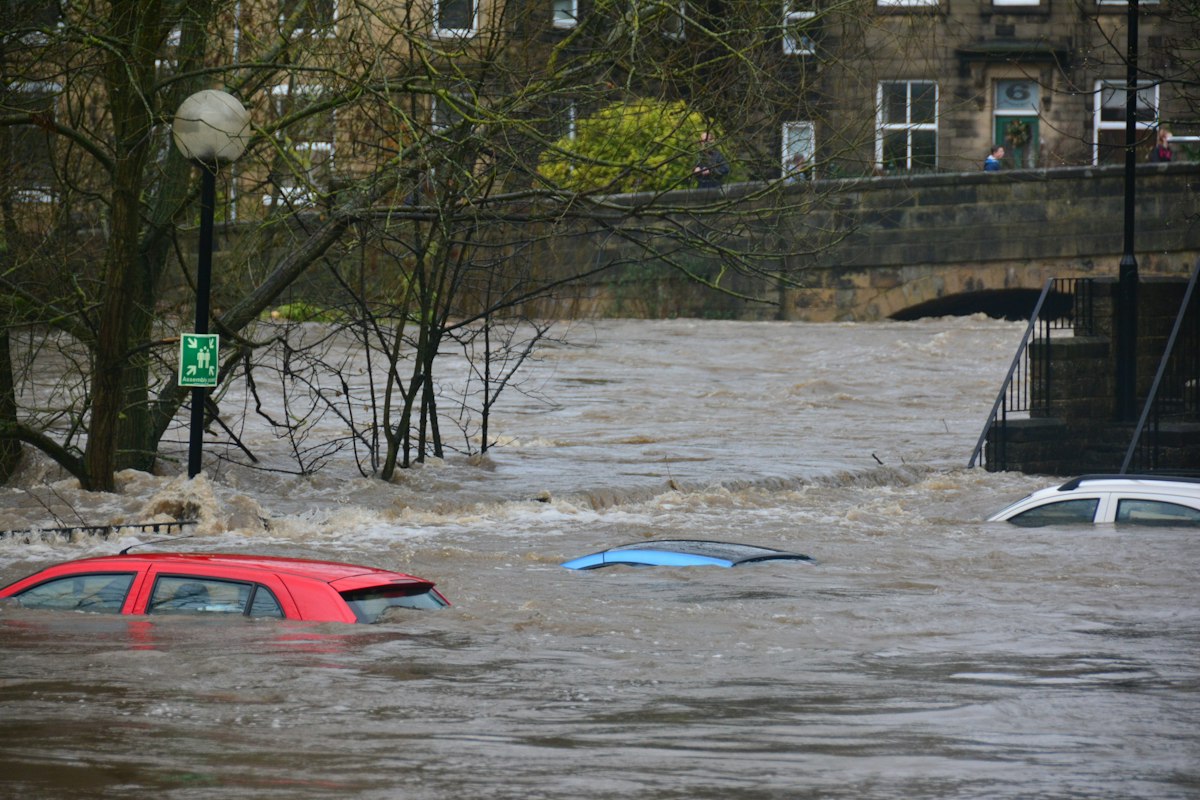
The Insurance Information Institute and Munich Re US published their RiskScan 2026 research study in June, revealing a $424 billion global natural catastrophe protection gap alongside growing concern about interconnected risks spanning cyber, AI, economic volatility, and business interruption. North America's insurance coverage ratio has remained stuck between 40% and 42% since 2015, leaving a majority of catastrophe losses uninsured.
The global insurance industry faces a persistent and growing challenge in closing the gap between economic losses and insured losses, according to the RiskScan 2026 research study published by the Insurance Information Institute (Triple-I) and Munich Re US in June 2026. The comprehensive cross-market study surveyed more than 1,700 respondents across five segments in the United States and United Kingdom: consumers, small business owners, middle-market decision-makers, property/casualty agents and brokers, and P/C carriers.
The study's most striking finding concerns the scale of underinsurance. Swiss Re's latest sigma report, published just before RiskScan 2026, put the global natural catastrophe protection gap at $424 billion. North America's insurance coverage ratio has remained stagnant between 40% and 42% since 2015, meaning a majority of catastrophe losses continue to fall on uninsured individuals, businesses, and governments. Uninsured losses keep growing as populations concentrate in catastrophe-exposed areas and reconstruction costs rise faster than incomes.
Beyond natural catastrophes, RiskScan 2026 identifies a fundamental shift in how risk is perceived. Rather than viewing threats as isolated events, respondents across all five market segments now increasingly recognize risks as overlapping and interconnected. Cyber incidents topped the list of concerns, followed by economic volatility, natural catastrophes, artificial intelligence-related risks, and business interruption. The study highlights that inconsistent cyber policy language across insurers is complicating coverage decisions, while AI is simultaneously accelerating both the sophistication of cyberattacks and the uncertainty in underwriting models.
The research also flags legal system abuse as a growing driver of rising property/casualty insurance costs — a trend particularly visible in states such as Florida and Louisiana, where legal and medical inflation has pushed liability costs higher. Triple-I CEO Sean Kevelighan emphasized that recognizing risk is only the first step, calling on the industry to deepen public understanding and close protection gaps through collaboration among insurers, reinsurers, policymakers, and communities. The findings underscore the urgency of expanding insurance availability and developing new products for emerging exposures, even as the industry navigates the inflation and economic pressures stemming from the Iran conflict and broader geopolitical uncertainty.
Key Points
- 1Swiss Re's sigma report estimates the global natural catastrophe protection gap at $424 billion
- 2North America's insurance coverage ratio has been stuck between 40-42% since 2015
- 3Cyber, economic volatility, natural catastrophes, AI, and business interruption are top interconnected risks
- 4More than 1,700 US and UK participants were surveyed across five insurance market segments
- 5Legal system abuse is increasingly recognized as a driver of rising P/C insurance costs
Why This Matters
The $424 billion protection gap represents real economic losses borne by households, businesses, and governments that go uninsured after natural disasters. For insurers, reinsurers, and policymakers, the research underscores the urgency of expanding insurance availability, improving public risk literacy, and developing products for emerging exposures like cyber and AI liability. For consumers and businesses, understanding their own coverage gaps — particularly for flood, cyber, and catastrophe risks — is increasingly important as climate and digital threats intensify.
Original Source
Insurance Information Institute (Triple-I) / Munich Re US ↗Related Stories
Wall Street Hits Record High as Soft US Data Keeps Rate Path Uncertain
August 6, 2026

Fed Holds Rates Steady Amid Three Dissents, Signals a Hike May Be Coming
August 6, 2026

Warsh Reshapes Fed Communication and Weighs Fewer Policy Meetings
August 6, 2026

US Mortgage Rates Stay Stuck in the High-6% Range
August 6, 2026
Daily Intelligence
The PolicyRix Daily Brief
Get the top 5 insurance and finance stories every morning, curated and verified by our editorial desk. No spam. Unsubscribe anytime.
Informational newsletter only. Not financial advice. Disclaimer