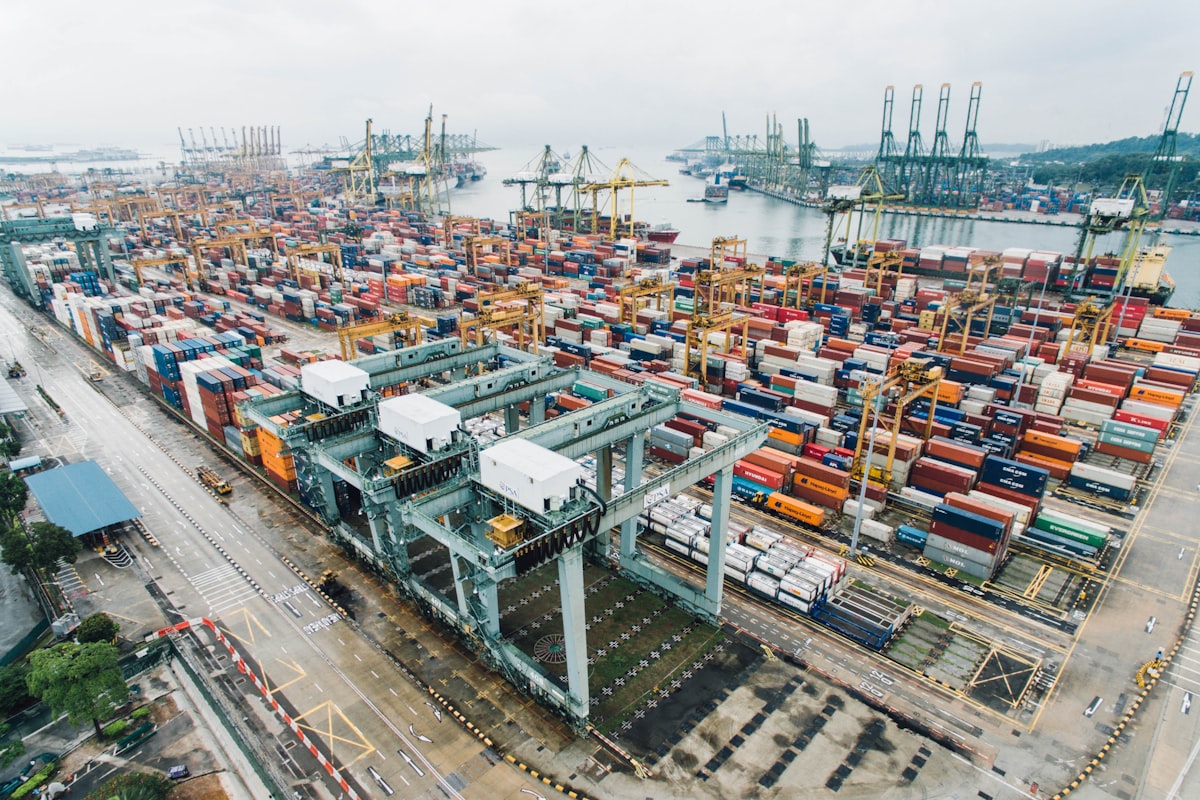
Demand for war-risk and political-violence insurance is rising in the UAE, with GIG Gulf offering optional war cover at three levels, while Marsh says Middle East political violence capacity has shrunk from more than $1 billion to $250 million to $350 million and rates have risen from 0.2%–0.3% to 3%–10%.
Companies in the United Arab Emirates are buying more war-risk and political-violence insurance as regional tension continues, and they are paying much more for much less capacity. Two reports from July 2026 describe the shift from different angles. Khaleej Times, on July 21, reported on how a local insurer is packaging optional war cover for businesses. The business news site AGBI, in analysis published later in July, quoted figures from the broker Marsh showing how far the market has moved. Together they illustrate how a specialised corner of insurance has become a significant cost for the region's trade, aviation and property sectors. The numbers are those attributed to Marsh and to the executives named, and this article does not independently verify them.
What the cover is
Standard commercial property, marine and liability policies usually exclude war and often exclude terrorism or political violence. Businesses that want protection must buy separate cover, such as war-risk insurance for vessels and aircraft, or political-violence cover for property and business interruption. The cost of that cover moves with the perceived level of conflict, particularly for shipping through sensitive waterways. The Khaleej Times report, quoting GIG Gulf chief executive Paul Adamson, said the insurer is offering optional war cover at three levels so that customers can choose a level of protection that matches their exposure and budget. The report did not give prices or details of what each level includes, so businesses should ask insurers and brokers for the wording.
The Marsh numbers
The AGBI analysis cited Marsh data showing a sharp contraction in the supply of political-violence capacity in the Middle East. Capacity, meaning the amount of cover insurers are collectively willing to provide, has fallen from more than $1 billion to between $250 million and $350 million. On individual risks, the maximum line an insurer will write has dropped from as much as $100 million to about $10 million. In practical terms, a large facility that once could be insured by a handful of underwriters now needs many more of them, or may be insured only in part.
Pricing has moved even more dramatically. According to the analysis, political-violence rates have risen from roughly 0.2% to 0.3% of the sum insured to between 3% and 10%. At those levels a policy covering $100 million of assets could cost between $3 million and $10 million a year, compared with $200,000 to $300,000 before. That is simple arithmetic on the quoted rates and illustrates the scale of the change, though actual premiums depend on location, asset type, claims history and policy terms.
Marsh also quantified recent losses. It put insured political-violence losses across the Middle East and North Africa at more than $3 billion between March 1 and July 24, excluding Iran. Losses of that size explain the retreat of capacity: when claims arrive, insurers cut limits, widen exclusions or raise prices to restore their margins.
A hardening pocket in a softening market
The war-risk story contrasts with the broader commercial market. Marsh reported that commercial insurance rates in India, the Middle East and Africa fell 16% in the second quarter. For many classes of business, buyers are enjoying lower prices and more competition. Political violence and war risk are the exception, because the loss experience and uncertainty are specific to the conflict, not to the general cycle. Businesses that renew a package of commercial policies at lower prices may therefore find the war and political-violence element rises sharply at the same time.
Who is affected
Shipping and logistics companies are among those most exposed, because vessels transiting waterways such as the Strait of Hormuz and the Red Sea are subject to additional premiums that can change from voyage to voyage. Aviation and airline operations are exposed to similar uncertainty, and large property and construction projects can face higher costs for political-violence cover on sites and assets. The UAE, as a major trade and re-export hub, has a particular interest in the availability and cost of such cover, since insurance is a precondition for many contracts and financing arrangements.
The site has previously covered the market response to Hormuz risk and the formation of a political-violence consortium, and readers can use those articles for background. The new figures add a quantitative picture of how little capacity remains.
What risk managers should do
Risk managers are being urged to review policy wordings closely. Exclusions, geographic limits and waiting periods can significantly affect whether a claim is paid. Companies can compare options, discuss with brokers how to structure limits and deductibles, and check that contractual requirements, such as lender or lessor insurance covenants, can still be met when capacity is limited.
The reports do not predict how long the tightness will last. If the conflict eases, capacity may return and prices may fall, but the Marsh data suggest that underwriters have shown themselves willing to cut sharply when losses rise. This article summarises two published reports and is general information, not insurance or legal advice.
Key Points
- 1GIG Gulf is offering optional war cover at three levels in the UAE, according to chief executive Paul Adamson in Khaleej Times; no pricing figures were given.
- 2Marsh, quoted by AGBI, says Middle East political violence capacity has fallen from more than $1 billion to $250 million to $350 million, and per-risk lines have dropped from up to $100 million to about $10 million.
- 3Political violence rates have risen from roughly 0.2%–0.3% of the sum insured to 3%–10%.
- 4Marsh puts MENA political violence insured losses at more than $3 billion between March 1 and July 24, excluding Iran.
- 5Marsh also reports that commercial insurance rates in India, the Middle East and Africa fell 16% in the second quarter, showing that war-risk is an exception to a softening market.
Why This Matters
Standard commercial policies usually exclude war, so UAE businesses that depend on shipping, aviation, logistics and property need to buy separate cover, and the cost and capacity of that cover have changed sharply. A policy that looks adequate on paper can fail if the war or political violence wording is narrow, so reading the exclusions has become a basic risk-management task.
Original Source
Khaleej Times (July 21, 2026) and AGBI (July 2026) ↗Related Stories

Markel Group's Nine-Month Adjusted Operating Income Rises 14% to $707 Million as Investment Losses Turn a Year-Ago Profit Into a Comprehensive Loss
October 29, 2026

Heritage Insurance Reports Third-Quarter Net Income of $51.1 Million on a 73.0% Combined Ratio, With a New $50 Million Buyback Despite a 4.2% Drop in Policies
October 29, 2026
High Court Holds a Roofer's 'Reasonable Precautions' Hot-Works Condition Is Absolute, Leaving Attleys Roofing Without Cover for a School Fire Against QBE
October 29, 2026

IAG's FY26 Profit Reached A$1.02 Billion After 109 Weather Events, While Its Bid for RAC WA Now Hinges on a Competition Tribunal Process
October 29, 2026
Daily Intelligence
The PolicyRix Daily Brief
Get the day's key insurance and finance stories in one email, each linked to its original source. No spam. Unsubscribe anytime.
Informational newsletter only. Not financial advice. Disclaimer