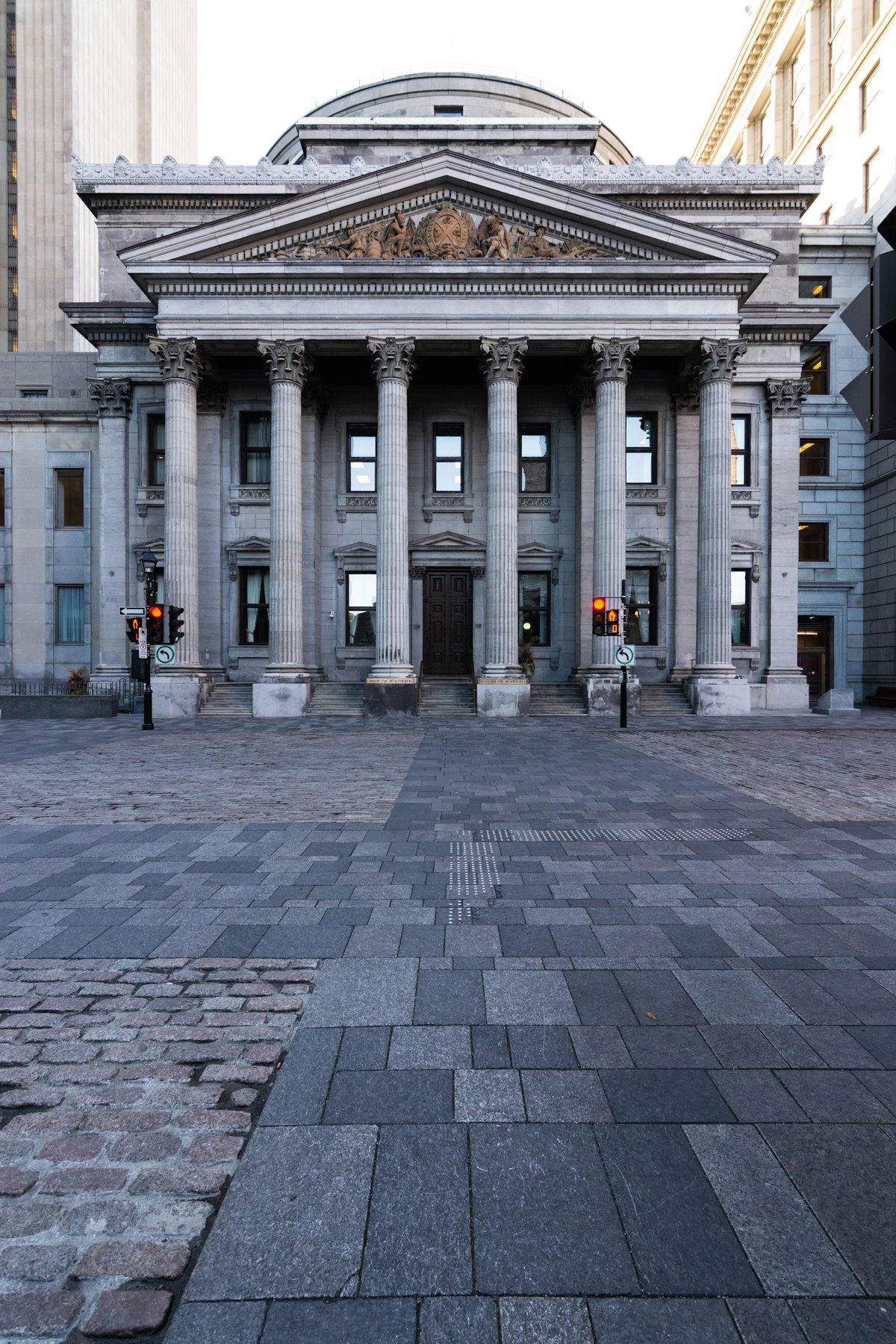
The Cabinet Committee on Economic Affairs cleared the sale on October 14 after a process that began in 2022; the shares fell about 7% the next day as the price came in below the market, and RBI and competition approvals are still needed.
India has approved the biggest bank sale in its history of privatisation. On Wednesday, October 14, 2026, the Cabinet Committee on Economic Affairs, chaired by Prime Minister Narendra Modi, cleared the sale of a 60.72% stake in IDBI Bank to a subsidiary of the Canadian group Fairfax Financial Holdings. The price is ₹81 a share, which values the stake at ₹52,878 crore, roughly US$5.5 billion according to CNBC's headline. The government says it will be the biggest foreign direct investment in India's financial sector once completed. This article draws on Business Standard, Outlook Business, Upstox and IIFL, which agree on the core terms. Where they differ, the difference is stated. Cabinet approval is not the last step, and several conditions are still to be met.
Start with the structure. The 60.72% stake is made up of 30.48% held by the government and 30.24% held by the Life Insurance Corporation of India (LIC). After the sale, according to Business Standard, the Centre keeps 15% and LIC keeps 19%, a combined 34%. Upstox adds that LIC must reduce its stake from 19% to 15% within two years and that the government will leave the bank's board once the deal closes. IIFL reports that the government will sell its remaining portion in the open market under the applicable procedure and that LIC will dispose of its portion under its own procedure. The buyer is described as M/s 10955230 Canada Inc., a Fairfax subsidiary.
Why did it take so long? Outlook Business sets out a timeline. In May 2017 the Reserve Bank of India put IDBI Bank under its Prompt Corrective Action framework, when net bad loans exceeded 13%. In January 2019 LIC bought a 51% controlling stake, and the RBI began to treat the bank as private-sector. The bank left the corrective-action framework in March 2021, and in May 2021 the Cabinet approved the strategic sale. The government invited expressions of interest in October 2022, and in July 2024 bidders received security clearance and went through the RBI's fit-and-proper review. Financial bids were invited in January 2026, and in February 2026 Fairfax and Emirates NBD submitted offers. In March the process was put on hold because the bids fell below the government's reserve price, which Business Standard puts at ₹94.42 a share and says the first round's best bid of ₹75 did not reach. The process was revived in April, revised bids were invited in July, and the Cabinet decision followed in October.
Was ₹81 a good price? The reports offer different yardsticks. An independent valuation benchmark, the average of two valuers' estimates, was ₹75.99, so ₹81 is about 6.6% above it, a calculation in the Business Standard article. Against the old reserve price of ₹94.42, the price is about 14% lower, a figure we calculated. Against the market, the stock closed at about ₹90 on October 14 (the NSE close was ₹90.39 according to IIFL and Upstox, which differs slightly from the ₹89.85 in Business Standard), after a rise of about 9% on the day ahead of the announcement. That is why the shares fell more than 7% on October 15 to below ₹84, according to Outlook Business. The shares are still above the ₹81 price. Naresh Biyani of Capwise Financial Services told Business Standard that the price equals about 1.2 times book value and about 9 times last year's profit, and that a control premium of about 15% over the undisturbed price is healthy given RBI ownership rules. Another analyst, Dr Vishwanathan Iyer, said that a price above the benchmark does not by itself show that taxpayers received adequate compensation for management control, and that the valuation should be reconciled against adjusted book value and sustainable earnings. Both views are opinions, and the sources do not settle the question.
What is being sold? The bank has changed a great deal. FY26 net profit was ₹9,513 crore. The gross bad-loan ratio was 2.3% in 2026, against nearly 32% in September 2018. Net bad loans were 0.15% to 0.16% depending on the date reported, and the capital adequacy ratio was about 26.7% to 26.9%. IIFL reports total business of ₹6,27,149 crore at September 30, 2026, up 18% on a year earlier, and Upstox cites total assets of ₹4.44 lakh crore and more than 2,000 branches. Because the government and LIC hold close to 95% between them, very few shares trade freely, which analysts say makes the market price a poor guide.
What conditions apply? According to Upstox, completion is likely before the end of the 2026-27 financial year, in March 2027. Fairfax must present its credentials to the Reserve Bank of India, which will assess whether it is a fit and proper owner, and submit a roadmap for meeting the RBI's conditions. The Competition Commission of India and other authorities also have to approve. The new promoter faces a five-year lock-in, must keep the IDBI name, brand and customer relationships for at least three years, and, because it holds 40% of CSB Bank, must either merge that bank with IDBI or exit it, the Upstox report says. DIPAM Secretary Arunish Chawla said employees need not worry and that management transfer has been discussed with stakeholders. The reports reviewed do not mention an open offer for minority shareholders, so readers should not assume one.
What does it mean for customers? For depositors, nothing changes on the day of the decision: accounts, cards and branches continue, and the sources say the brand stays for at least three years. General background, not drawn from these reports, is that deposits in Indian banks are insured by the DICGC up to ₹5 lakh per depositor per bank. For borrowers and staff, the effect will depend on Fairfax's plans, which the reports do not describe in any detail. For LIC policyholders, the sale reduces the insurer's exposure to a single bank, but the reports do not quantify the effect on LIC's accounts.
For the wider market, the deal is a test of whether India can sell public-sector banks at prices that satisfy both the government and investors. It is described as the largest strategic disinvestment since Air India's sale. The next milestones are the RBI's fit-and-proper decision, the competition review and the closing. This article is not investment advice, and the figures come from news reports of the Cabinet decision, not from the official notification.
Key Points
- 1On October 14, 2026 the Cabinet Committee on Economic Affairs approved the sale of a 60.72% stake in IDBI Bank (30.48% held by the government and 30.24% by LIC) to a Fairfax Financial Holdings subsidiary for ₹52,878 crore, or ₹81 a share.
- 2After the sale the government is to keep 15% and LIC 19%, a combined 34%; reports say LIC must cut its stake to 15% within two years and the government will leave the bank's board.
- 3The price is above an independent benchmark of ₹75.99 but below the government's earlier reserve price of ₹94.42 and below the roughly ₹90 at which the shares closed on October 14; the shares fell more than 7% on October 15.
- 4Fairfax still needs an RBI fit-and-proper clearance and approval from the Competition Commission of India; completion is expected before the end of the 2026-27 financial year.
- 5Union Minister Ashwini Vaishnaw called it India's largest foreign direct investment in the financial sector; the reports reviewed do not mention an open offer for minority shareholders.
Why This Matters
IDBI Bank has been in the process of privatisation for four years, and its sale is the biggest change of ownership of an Indian bank in years. It shows how the government is pricing the exit from banking, what a foreign owner must promise, and what depositors and shareholders can expect.
Original Source
Business Standard, Outlook Business, Upstox and IIFL (reporting the Cabinet decision) ↗Related Stories

Bank of America's Third-Quarter Profit Falls to $6.9 Billion After a $1.2 Billion Settlement Charge, as Wealth Fees and Net Interest Income Rise
October 18, 2026
HDFC Life's Half-Year Profit Rises 13% to Rs 1,119 Crore as New Business Value Grows 12%, While Proposed Expense Rules Loom
October 16, 2026

Big Banks' Third Quarter: JPMorgan Profit Rises 6%, Goldman Sachs Rides an Equities Surge, and Wells Fargo's Credit Costs Jump 51%
October 15, 2026
SEBI Asks IRDAI to Add Insurance Data to the Consolidated Account Statement for a Single View of Investor Holdings
October 15, 2026
Daily Intelligence
The PolicyRix Daily Brief
Get the day's key insurance and finance stories in one email, each linked to its original source. No spam. Unsubscribe anytime.
Informational newsletter only. Not financial advice. Disclaimer