A Bloomberg Intelligence analysis finds average homeowner premiums exceed property-tax bills in about two-thirds of US counties, with county-level premiums up 45% in a decade after inflation and the gap widest in the Southeast, where insurance can cost 2.5 to 4 times the tax levy.
For millions of American homeowners, the annual insurance bill has overtaken the property-tax bill. That is the central finding of an analysis by Bloomberg Intelligence, reported by Eric Roston for Bloomberg and republished by Claims Journal on October 20, 2026. The analysis, whose findings were credited to analyst Andrew John Stevenson, found that average home insurance premiums exceed average property-tax bills in about two-thirds of US counties. It draws on data from the US Census, state insurance regulators, and federal weather and transportation agencies.
The size of the change is significant. Averaged at the county level, homeowner premiums rose 45% over a decade after adjusting for inflation. Among the states, Nebraska recorded the largest increase cited, at 79%. The analysis also looks at the cost of weather risk more widely. When the weather-related share of auto premiums is added to home insurance, combined costs exceed property taxes in 75% of counties. In county-level averages, homeowners pay 14% more for insurance than for property tax, and the gap grows to 30% when the weather-related part of auto insurance is included.
The pattern varies a great deal by region. In Southeastern states, insurance can cost 2.5 to 4 times the property-tax levy. That region combines hurricane exposure with relatively low property taxes, so the insurance bill dominates. In the Midwest and Mountain West, hail and winter weather are pushing rates up, led by Colorado, Utah and Minnesota. Hail is also raising auto premiums across the Great Plains and Upper Midwest. In contrast, the Northeast, the West and major metropolitan areas have high property taxes, so higher premiums represent a smaller share of the tax bill. That does not mean homeowners there are insulated from premium increases; it means the comparison with property tax looks less extreme.
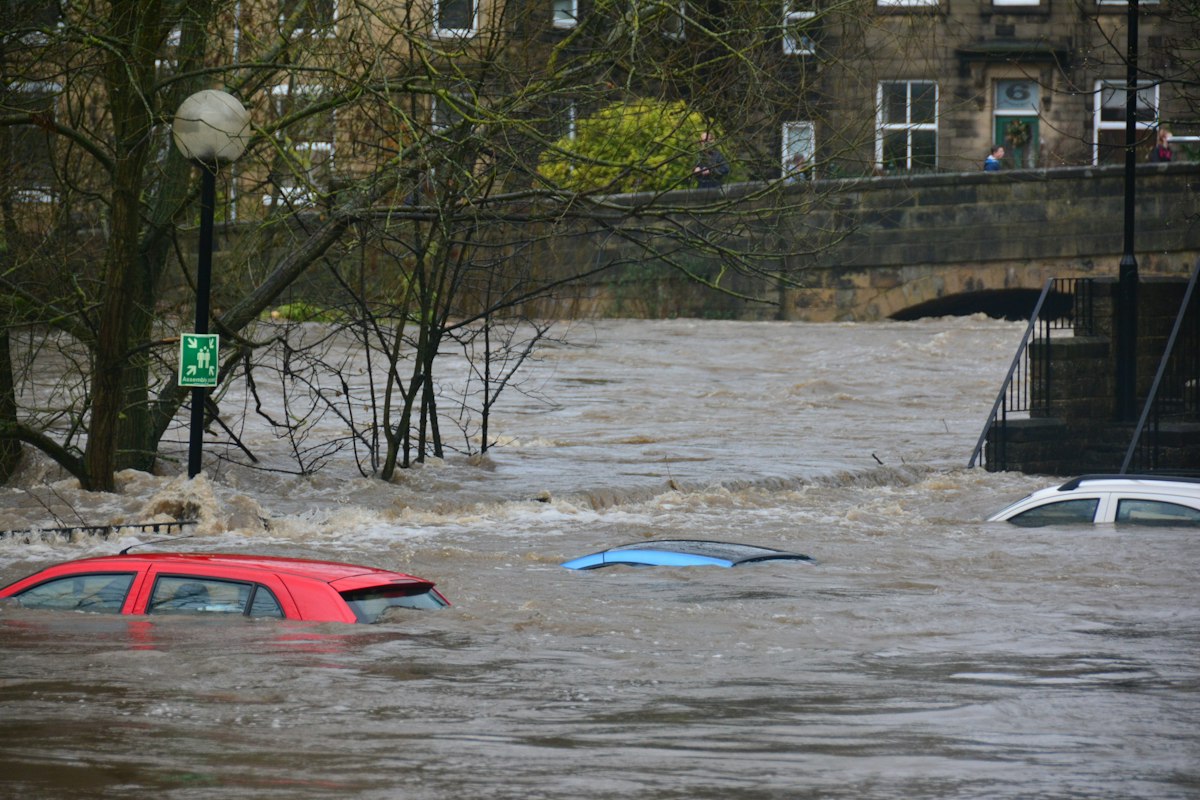
Why are premiums rising? The Bloomberg piece points to rising disaster costs. It cites Climate Central data showing that US disaster losses in 2025 averaged $156 billion over five years, about ten times the inflation-adjusted 1985 figure. When insurers pay more in claims, they raise prices, tighten underwriting or leave some markets. The article adds that deductibles are also rising, leaving homeowners to cover more of the recovery costs themselves.
The analysis links insurance to public finances, too. According to the report, the United States has historically funded about 90% of disaster recovery over the past two decades, but the federal share is shrinking toward roughly an even split with local funding. It gives two examples. Texas received $23 billion in federal funds after Hurricane Harvey in 2017, compared with $4 billion in local spending. After the January 2025 Los Angeles fires, California received $2.6 billion in federal funds and spent $3.5 billion locally. If more of the burden falls on states and localities, then property owners and taxpayers may face higher costs from both directions.
An expert quoted in the article, Alexandra Glickman of Arthur J. Gallagher & Co., said policyholders should be "willing to pay the premium for it", given rising risk. The comment reflects the insurance industry's view that higher prices reflect higher risk, and that insurance is a necessary protection rather than a discretionary cost.
This latest finding should be read alongside other data. AM Best reported this month that US homeowners insurers posted a $16.5 billion underwriting profit in 2025, the first since 2019. Premiums are high, but insurers are now profitable on their homeowners books, which suggests that rate increases have been catching up with past losses. Whether prices fall or flatten in 2026 and 2027 will depend on catastrophe experience and on reinsurance costs, which are expected to decline further at the January renewals.
What can homeowners do? Practical steps include comparing quotes from several insurers or through an independent agent, asking about discounts for protective measures such as impact-resistant roofing, shutters or fire-resistant landscaping, and reviewing deductibles with an eye to how much they could pay out of pocket after a loss. In states with insurers of last resort, such as Florida's Citizens, premiums may be higher or coverage more limited, so it is worth understanding the options. Raising a deductible lowers the premium but increases the risk of an unaffordable bill after a storm.
For buyers, the findings imply that insurance quotes should be obtained early in a home purchase, because the monthly cost can change the amount a lender will approve. For policymakers, the data highlight pressures behind current debates about building codes, land-use restrictions in high-risk areas and how disaster costs are shared between the federal government and the states.
There are limits to the analysis as reported. County-level averages mask variation within counties, and the article does not publish the full dataset or a county-by-county ranking. It compares premiums with property-tax bills as averages, not for individual homes, so a particular household could be in the one-third of counties where tax still exceeds insurance, or could pay far more than the average. The figures also combine data from different sources and time periods. Even so, the direction is clear: in much of the country, insuring a home against weather has become a major housing cost in its own right.
Key Points
- 1Bloomberg Intelligence finds average home insurance premiums exceed average property-tax bills in about two-thirds of US counties.
- 2Averaged at the county level, homeowner premiums rose 45% over a decade after adjusting for inflation, with Nebraska's 79% the largest state increase cited.
- 3Homeowners pay a county-level average of 14% more for insurance than for property tax, or 30% more when the weather-related share of auto premiums is included.
- 4In Southeastern states, insurance can cost 2.5 to 4 times the property-tax levy, while hail and winter weather push rates up in Colorado, Utah and Minnesota.
- 5Disaster losses averaged $156 billion over five years to 2025, about ten times the inflation-adjusted 1985 figure, and the federal share of recovery funding is shrinking toward roughly half.
Why This Matters
For most homeowners the biggest housing bills are the mortgage, property tax and insurance. Insurance is becoming the larger of the last two almost everywhere, which squeezes household budgets and affects how much home a buyer can afford.
Original Source
Claims Journal (reprinting Bloomberg, Oct 20, 2026; analysis by Bloomberg Intelligence) ↗Related Stories

Marsh: Global Commercial Insurance Rates Fall About 5% in Q3 2026, the Ninth Straight Decline, While US Casualty Is the Only Line Still Rising
October 22, 2026

W. R. Berkley's Third-Quarter Premiums Rise to $3.95 Billion as the Specialty Insurer Posts a 90.8% Combined Ratio and Higher Investment Income
October 22, 2026
Chubb's Third-Quarter Profit Rises to $2.84 Billion as Catastrophe Losses More Than Double to $705 Million and Investment Income Climbs 8.6%
October 21, 2026
US Homeowners Insurers Post a $16.5 Billion Underwriting Profit in 2025, Their First Since 2019, as Florida Reserve Releases Flatter the Result, AM Best Says
October 21, 2026
Daily Intelligence
The PolicyRix Daily Brief
Get the day's key insurance and finance stories in one email, each linked to its original source. No spam. Unsubscribe anytime.
Informational newsletter only. Not financial advice. Disclaimer